

Recurring Damp and Mould: Why It Keeps Coming Back and How to Fix It
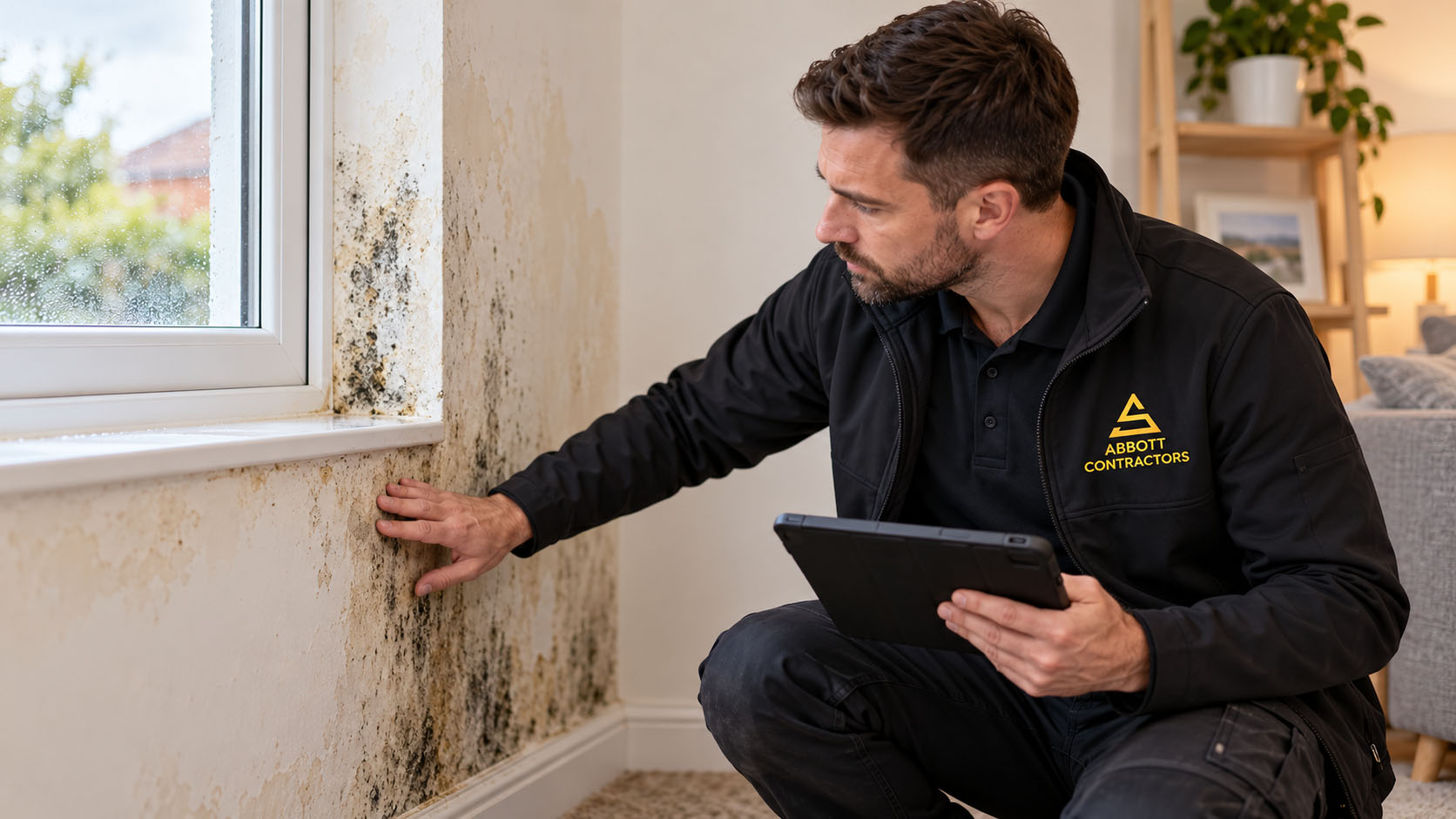
Recurring damp and mould can be frustrating, particularly when affected walls or ceilings have already been cleaned or treated. However, removing visible mould does not necessarily solve the problem. If the source of excess moisture remains, damp and mould can return.
The key to dealing with recurring damp and mould is to identify why moisture is building up in the property. A professional damp and mould survey can help establish the underlying cause before the appropriate treatment or remediation work begins.
In this guide, we explain why damp and mould keep coming back, the common causes, how professionals investigate the problem and what can be done to provide a longer-term solution.
Why Does Damp and Mould Keep Coming Back?
Damp and mould usually return because the conditions that allowed them to develop have not been fully resolved. Cleaning visible mould may improve the appearance of a wall, but it does not necessarily remove the moisture source behind the problem.
For example, recurring mould may be linked to condensation, poor ventilation, water ingress, plumbing leaks, rising damp or problems with the building fabric. Therefore, successful treatment should begin with identifying the source rather than simply treating the visible symptoms.
Once the cause is understood, suitable remedial work can be recommended. This may include improving ventilation, repairing defects, resolving leaks, treating affected surfaces or carrying out more extensive damp remediation.
What Causes Recurring Damp and Mould?
There is no single cause of recurring damp and mould. Different properties can develop moisture problems for very different reasons. In some cases, more than one issue may be contributing to the problem.
Condensation and Poor Ventilation
Condensation is a common cause of mould growth inside properties. Everyday activities such as cooking, showering, washing and drying clothes release moisture into the air.
If that moisture cannot escape effectively, it can condense on cooler surfaces such as windows, external walls and ceilings. Over time, these damp conditions can encourage mould growth.
Improved ventilation may form part of the solution. However, it is important to establish whether condensation is the main cause rather than assuming that ventilation alone will solve every damp problem.
Water Leaks
Leaks from pipework, bathrooms, kitchens, heating systems or other plumbing installations can introduce moisture into walls, floors and ceilings.
Some leaks are obvious. Others may remain hidden behind walls, beneath floors or above ceilings for some time. As a result, mould may continue to return until the source of the leak has been located and repaired.
Penetrating Damp
Penetrating damp occurs when moisture enters a property through the building fabric. Possible causes include damaged roofing, defective guttering, cracks, deteriorated pointing or problems around windows and doors.
Simply treating mould on the internal surface will not resolve penetrating damp. The defect allowing water into the property must also be addressed.
Rising Damp
Rising damp happens when moisture from the ground travels upwards through porous building materials such as brickwork and mortar.
Where rising damp is correctly diagnosed, treatment may involve remedial work such as the installation of a damp-proof course, together with repairs to affected internal finishes.
However, not every damp patch near floor level is rising damp. A proper investigation is important before deciding on treatment.
Cold Surfaces and Thermal Bridging
Some areas of a property can remain significantly colder than the surrounding surfaces. These cold spots can encourage condensation to form.
Corners, external walls, areas around windows and sections of wall affected by thermal bridging may therefore develop repeated mould growth, particularly during colder weather.
Building Defects and Maintenance Issues
Damaged external finishes, blocked gutters, faulty drainage and deteriorating seals can all allow unwanted moisture into a building.
This is why a damp and mould investigation should look at the property as a whole rather than concentrating only on the area where mould is visible.
Why Cleaning Mould Does Not Always Stop It Returning
Cleaning mould removes visible growth from a surface, but it does not necessarily address the conditions that caused the mould to appear.
If a wall remains damp, condensation continues to form or water is still entering the property, mould may simply return after cleaning.
This is one of the main differences between basic mould removal and professional mould remediation. Remediation considers both the affected area and the underlying moisture problem.
What Is the Difference Between Mould Removal and Mould Remediation?
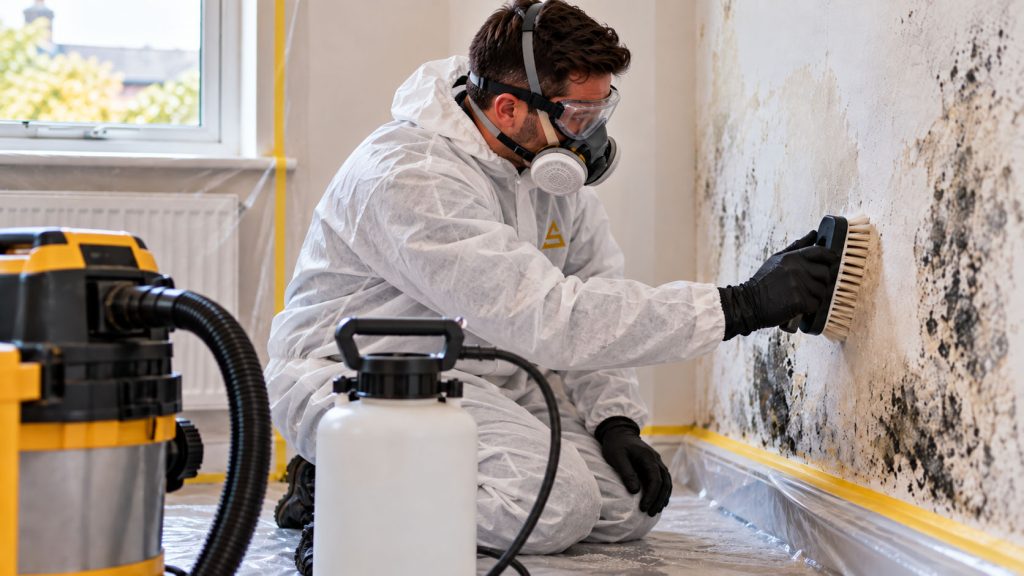
Mould removal focuses on removing visible mould. Mould remediation takes a broader approach by identifying the cause of the mould, treating affected areas and recommending measures to reduce the likelihood of it returning.
Professional remediation may therefore involve several stages. The exact process depends on the property, the extent of the problem and the underlying cause.
For example, remediation might include moisture investigation, mould treatment, repairs, improvements to ventilation, damp-proofing measures or restoration of damaged walls and finishes.
How Is the Cause of Damp and Mould Diagnosed?
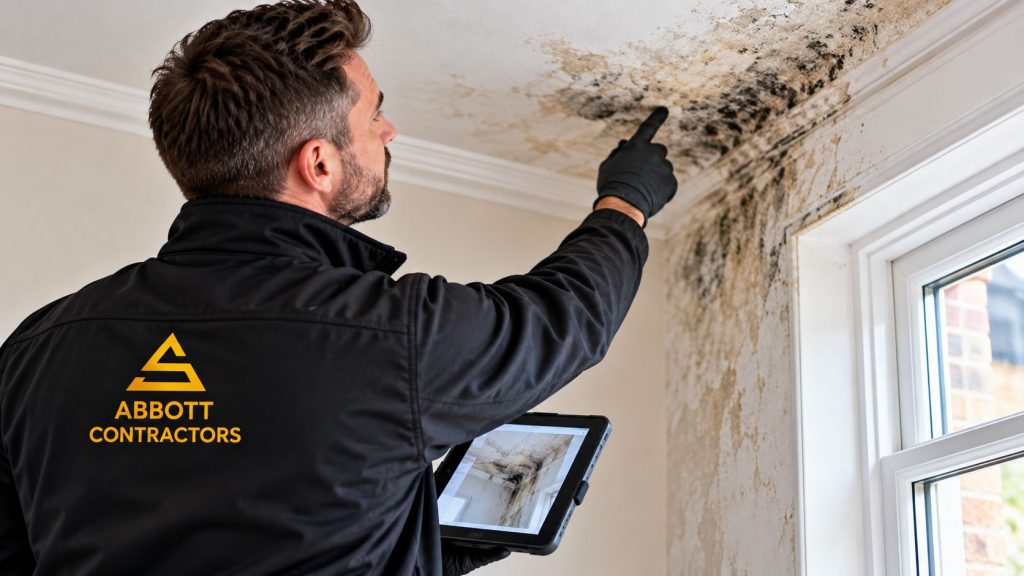
A professional damp and mould survey helps identify where moisture is coming from and why the problem is occurring.
Rather than relying solely on the appearance of a damp patch, the surveyor can consider the location of the problem, moisture levels, ventilation, building condition and possible sources of water ingress.
A professional investigation may include:
- Inspecting affected walls, ceilings and floors
- Taking moisture readings
- Checking for signs of leaks or water ingress
- Assessing ventilation and condensation risks
- Inspecting relevant areas of the building fabric
- Identifying patterns of damp or mould growth
- Providing recommendations for appropriate remedial work
Abbott Contractors provides detailed damp and mould surveys together with clear reports, photographs and recommendations for appropriate action.
How Is Recurring Damp and Mould Professionally Treated?
The correct treatment for recurring damp and mould depends on what is causing the moisture problem. Therefore, there is no single treatment that is suitable for every property.
A professional approach normally follows several stages.
1. Identify the Moisture Source
The first step is to establish why the affected area is damp. Without this information, treatment may address the symptoms rather than the cause.
2. Address the Underlying Problem
Once the cause has been identified, appropriate remedial work can begin. This might involve repairs, improved ventilation, damp-proofing measures, resolving water ingress or correcting another property defect.
3. Treat the Affected Area
Existing mould and affected materials can then be treated using methods appropriate to the condition of the property and the extent of the problem.
4. Repair Damaged Finishes
Where damp has damaged plaster, walls or other finishes, restoration work may be required after the underlying moisture problem has been dealt with.
5. Reduce the Risk of Recurrence
Finally, recommendations may be made to help manage moisture levels and reduce the likelihood of damp and mould returning.
When Should You Arrange a Damp and Mould Survey?
A survey can be particularly useful when damp or mould continues to return despite previous cleaning or treatment.
You should also consider professional investigation if:
- Mould repeatedly appears in the same area
- Walls or ceilings feel persistently damp
- There are unexplained damp patches or staining
- Paint or wallpaper is peeling
- Plaster is deteriorating
- There is a persistent musty smell
- You suspect a hidden leak
- Damp is affecting several areas of the property
- The cause of the problem is unclear
Early investigation can help identify the cause before further damage develops.
Recurring Damp and Mould in Rental Properties
Recurring damp and mould can be particularly important for landlords, managing agents and housing providers because the cause may involve several different parts of the property.
A professional survey provides evidence of the condition of the property, identifies likely causes and sets out recommendations for remedial action. This can help property managers make informed decisions rather than repeatedly treating visible mould without resolving the underlying problem.
Abbott Contractors works with property owners, landlords, housing associations and managing agents, providing damp and mould inspections, reporting and remediation services.

Damp and Mould Remediation for Housing Providers
Damp and mould management has become an increasingly important issue within social housing in England. Housing providers need clear procedures for investigating reports, identifying hazards and carrying out appropriate remedial work.
Abbott Contractors provides damp and mould surveys and remediation services that can support housing providers when investigating and addressing moisture and mould problems.
Further information about requirements for social landlords can be found in the official Awaab’s Law guidance on GOV.UK.
Can Recurring Damp and Mould Be Prevented?
In many cases, the risk of recurring damp and mould can be reduced once the underlying cause has been identified and addressed.
However, prevention depends on the nature of the problem. A ventilation issue requires a different solution from a leaking roof, defective pipe or damp-proofing problem.
This is why diagnosis should come before treatment. Understanding where the moisture is coming from allows the appropriate solution to be selected.
Frequently Asked Questions About Recurring Damp and Mould
Why does mould keep coming back after I clean it?
Mould often returns because cleaning removes the visible growth but not the source of moisture. Condensation, leaks, water ingress, poor ventilation or another damp problem may still be present. Identifying and dealing with that moisture source is essential for a longer-term solution.
Can you permanently remove black mould?
Visible mould can be treated, but preventing it from returning depends on resolving the conditions that allowed it to grow. Therefore, professional investigation should focus on both the mould itself and the underlying source of excess moisture.
How do professionals find the cause of damp?
Professionals assess the location and pattern of damp, take moisture readings and inspect relevant areas of the property. They may also consider ventilation, plumbing, water ingress, condensation and the condition of the building fabric before recommending treatment.
Is mould removal the same as mould remediation?
No. Mould removal generally refers to removing visible mould from affected surfaces. Mould remediation is broader and includes investigating the underlying cause, treating affected areas and recommending measures designed to reduce the risk of recurrence.
Do I need a damp survey before treating mould?
A survey is particularly valuable when mould keeps returning, the cause is unclear or several parts of the property are affected. Identifying the source of moisture first can prevent time and money being spent on treatments that only address the visible symptoms.
Does Abbott Contractors provide damp and mould services nationwide?
Yes. Abbott Contractors provides professional damp and mould surveys and remediation services across the UK for residential, commercial and managed properties.
Need Help With Recurring Damp and Mould?
If damp or mould keeps returning, simply cleaning the affected area may not solve the underlying problem.
Abbott Contractors provides professional damp and mould surveys, diagnosis and remediation. Our team can investigate the source of moisture, provide clear recommendations and carry out appropriate remedial work.
Contact Abbott Contractors or call 0800 043 6484 to discuss your damp and mould problem or arrange a survey.